LUCE 357-en
YEAR 64
September 2026
Magazine founded in 1962 by AIDI
Editor-in-Chief Mariella Di Rao
Clicca qui per la versione in italiano
Contacts for back issues:
phone +39 02 87389237
e-mail [email protected]
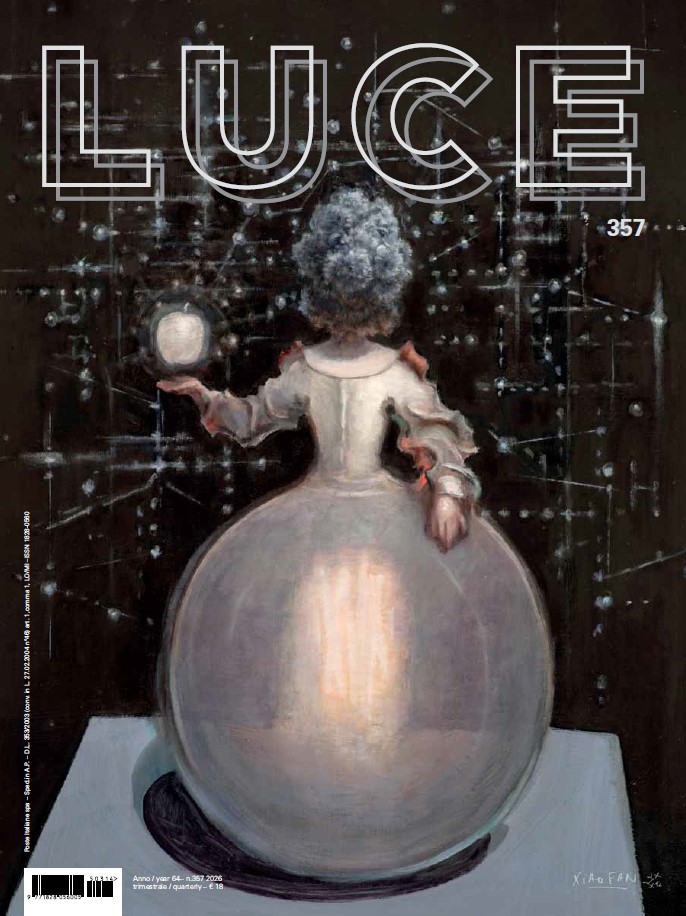
Une pomme lumineuse (A glowing apple), a specially created artwork by the artist Ru Xiaofan for LUCE
€18,00
150 disponibili
In this issue:
EDITORIAL
Light, fashion, and perception
by Mariella Di Rao
Une pomme lumineuse (A glowing apple) is the cover image created specifically for this issue of LUCE by Ru Xiaofan. In this artwork, the renowned Chinese artist reimagines the silhouette of the Infanta Margarita in Diego Velázquez’s Las Meninas (1656) and imbues it with fresh meaning. The guardinfante, which is the stiff structure that flared out and gave a monumental appearance to the skirt, transforms into a light bulb, whilst flames come out from the sleeves, reminding us of Katniss Everdeen’s dress in The Hunger Games. It is a powerful image in which Chinese tradition, Western masters, memory and contemporary culture coexist, absorbed and transformed by the imagination.
INTERVIEWS
Massimiliano Kuveiller: “Film captures light better than digital”
by Cristina Tirinzoni
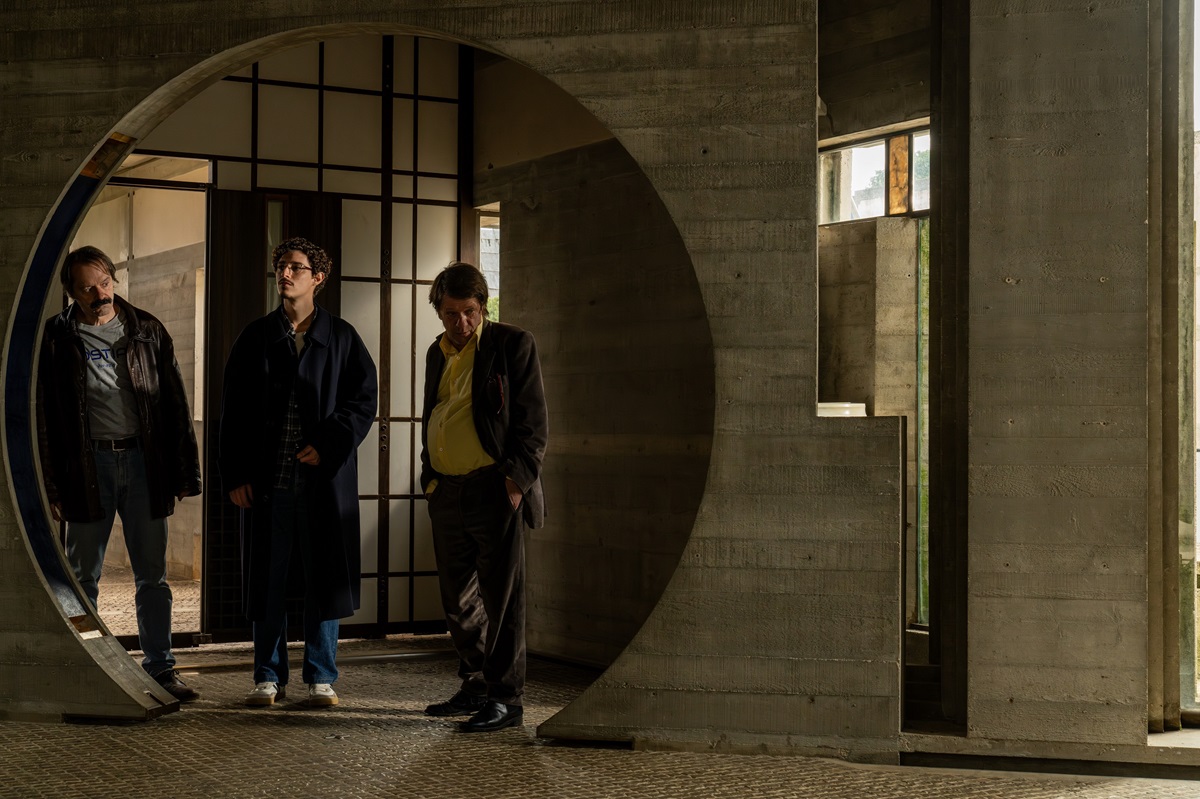
After a persistent effort, we finally succeeded in getting in touch with Massimiliano Kuveiller, a cinematographer born in Rome, 1976. He’s the cinematographer for Francesco Sossai’s Le città di pianura, winner of the David di Donatello award, as well as Gennaro Nunziante’s Buen Camino, starring Checco Zalone (a film that broke all box office records in Italy). These are two of the most significant movies of this season: vastly different from each other, yet united by the gaze of a cinematographer who can skillfully adapt his visual language to contrasting cinematic worlds, where light plays a crucial role in shaping the emotional tone of the story…
DESIGNING LIGHT
When architecture “dresses” itself in light
by Chiara Testoni
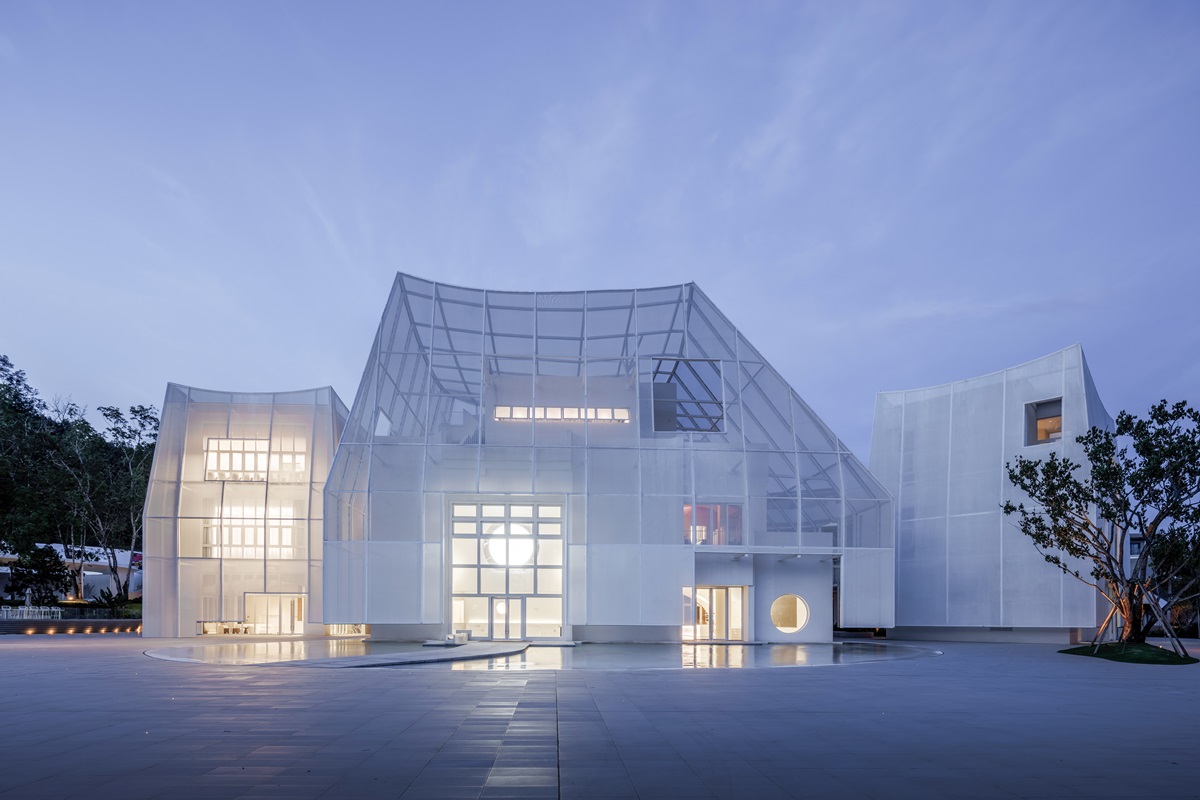
While in the past a building’s facade was seen as a “physical” boundary between the home interior and the outside world, today, the building envelope is evolving into a more dynamic, fluid, and permeable system. It acts as a complex interface that manages climate, light, and perception. Sometimes, it is like a true “dress” that fits perfectly around the architecture. This outer layer not only protects the structure but also interprets it and plays a decisive role in shaping its public image.
Much like in fashion, where the real vibe of a outfit is revealed by how the light highlights its fabric, weave, and colour, architecture also hinges on the relationship between a building’s facade and the light that strikes or / and filters through it.
This is exemplified by three recent projects that treat the building’s exterior like an “architectural dress,” engaging in a “two-way” dialogue with light, moving beyond its simple function as a cladding to explore its technical, climate-responsive, and expressive potential, ultimately redefining the very concept of the modern facade.
From the textile “mesh” of a climate-control and communicative device (Allmann Wappner Architekten, Menges Scheffler Architekten, Jan Knippers Ingenieure, Texoversum, Reutlingen, Germany, 2023), to the semi-transparent veil resembling a giant mosquito net (Wutopia Lab, Flickering Peak CP·SUN RIVER Art Gallery, Hainan, China, 2024), and finally to the luminous surface that displays a highly recognisable brand image (MVRDV, Tiffany Facade Beijing, Beijing, China, 2025): in all three of these examples, light is never simply an “accessory” to the “architectural dress,” but rather the element that brings it to life, revealing its materiality, technical performance and expressive power…
DESIGNING LIGHT
Between historical beauty and innovation
The Capodimonte Museum and Royal Park model
by Federica Capoduri
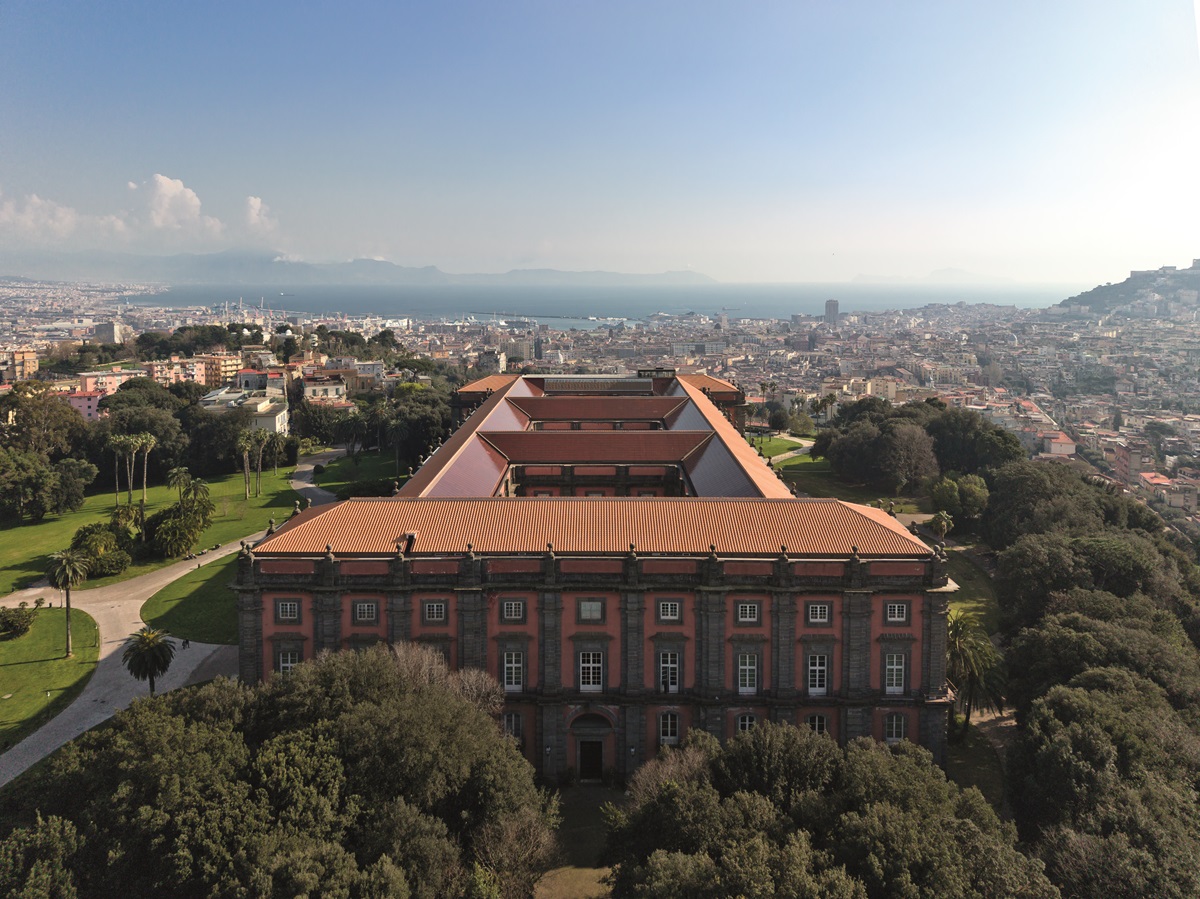
Born out of a public-private partnership involving ENGIE Italia and the Capodimonte Museum and Royal Park in Naples, this project was the first of its kind for an independent Italian museum. Launched as a pilot model by the Ministry of Culture, it showed how collaboration between the public and private sectors can really help drive positive change, especially in the world of cultural heritage. The refurbishment of the Capodimonte Museum and Royal Park was completed in just two years thanks to the hard work of around 80 professionals who worked tirelessly to keep the museum open to the public throughout the project. The upgrades focused on many areas, from boosting energy efficiency to improving the overall quality of the visitor experience. As a result, the Neapolitan Museum is more sustainable, modern, and welcoming. The new lighting concept was made possible thanks to a custom design developed by a team of professionals who collaborated on the project, combining their expertise and experience. This collaborative effort involves a comprehensive set of technological solutions, starting with the installation of a photovoltaic system featuring around 4,500 panels on the roof of the Royal Palace, the only one of its kind in Italy. This setup now enables the Museum to generate 90% of its own energy, cutting its energy consumption by more than half compared to previous levels…
LIGHTING DESIGNERS
Robert Peter Müller: “Light is perception and collaboration”
by Monica Moro
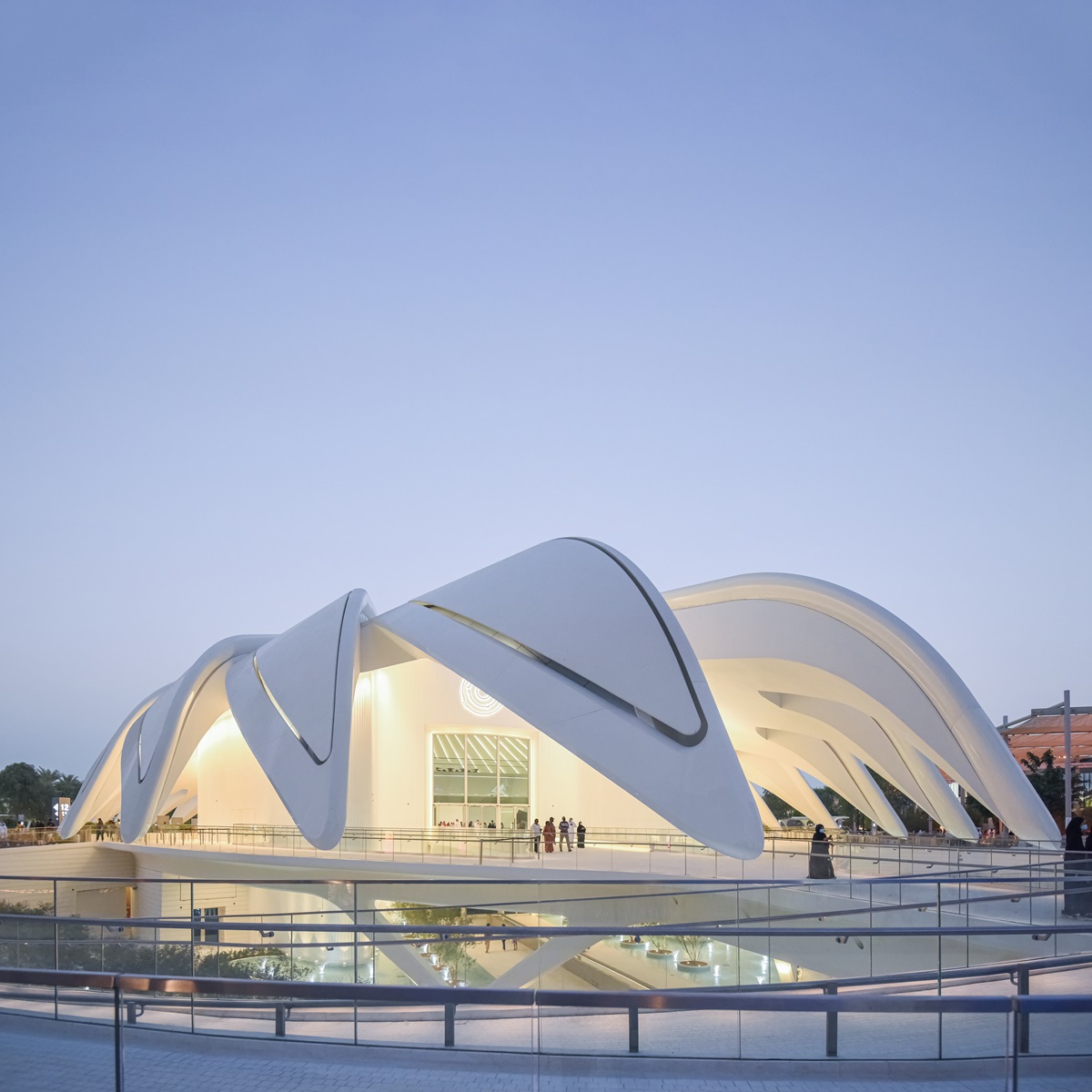
We met Robert Peter Müller, an internationally renowned Austrian lighting designer whose work combines natural light technology with the precision of cutting-edge architectural lighting. Today, Müller works mainly in Innsbruck (Austria), where he heads the Austrian branch of the multi-award-winning lighting design studio KARDORFF. Müller shares his vision on the role of the lighting designer and his approach to lighting design, which characterises his projects. “Personally, over the years, I have learnt that, although anything is possible, not everything is necessary or desirable. It is far more difficult to focus on doing only the things that really matter and in the most essential way possible, striving to keepit simple. A case in point is the GEM, the Grand Egyptian Museum, a project by the architectural practice Heneghan Peng Architects, where we prioritised natural light, glare control and the conservation of the artefacts. This project defines the relationship between modern architecture and the desert sun: the museum is aligned with the sun’s path and the visual axis of the Pyramids of Giza, with the aim of guiding visitors using daylight whilst, at the same time, keeping the most delicate artefacts, which are susceptible to damage from natural light, in the shade. Inside the building, where you need artificial lighting, we created an adaptive museum environment by installing dynamic lighting with precision optics…”
SPECIAL REPORT
Light and fashion
articles by Paolo Calafiore, Erica Briani, Monica Moro, Chiara Testoni, Paola Testoni, Marta Bernasconi, Cristina Ferrari
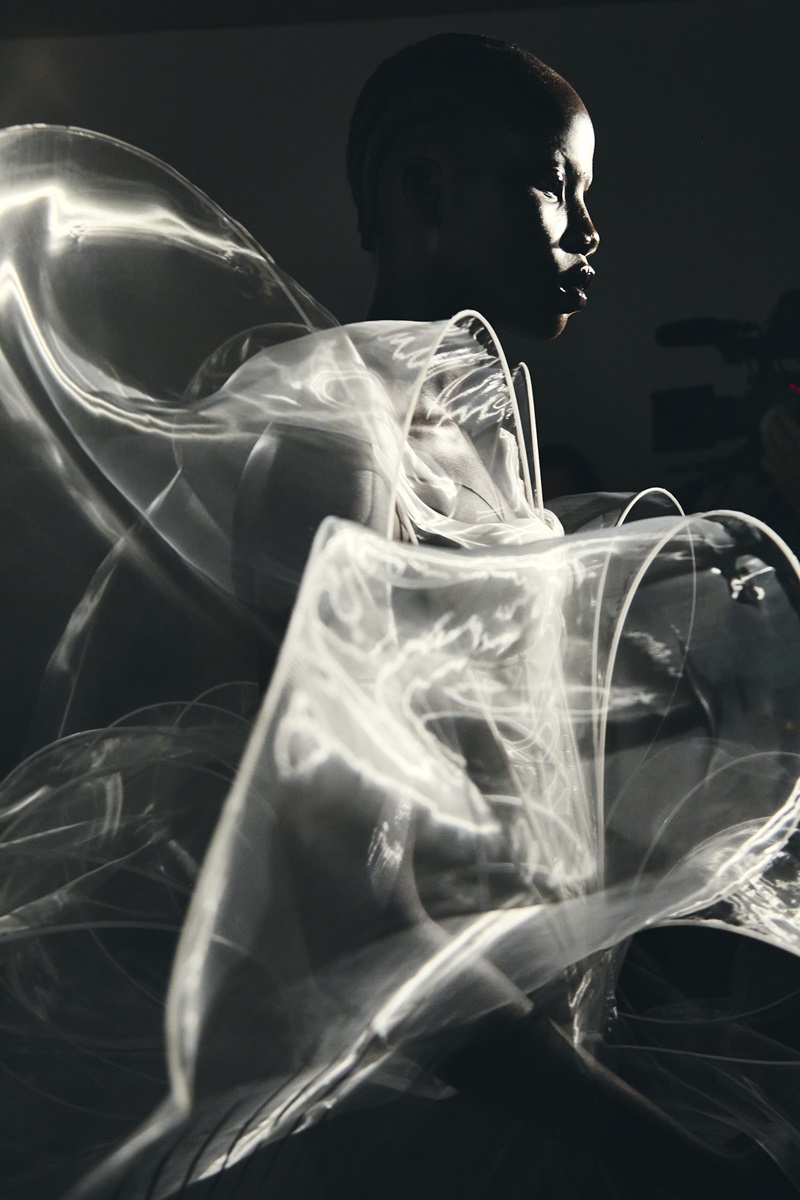
Light and fashion have always shared a common calling, that is, creating images that speak without words. Light thus becomes an aesthetic language and also a deeply emotional one. It can make a dress appear strict and sculptural, or fragile and intimate; it can enhance the lustre of a fabric or dissolve its contours, transforming the figure into an almost abstract presence. In fashion, light interacts with the fabric like a second layer of material. It glides over silk, caresses velvet, emphasises the texture of leather, and makes metal appear almost liquid. The same dress can become many different things depending on the light that falls upon it: a surface, a volume, a memory, or a gesture. This issue’s Special Report is about this meaningful union between light and fashion, with interviews and contributions from designers and industry professionals…
SUSTAINABILITY
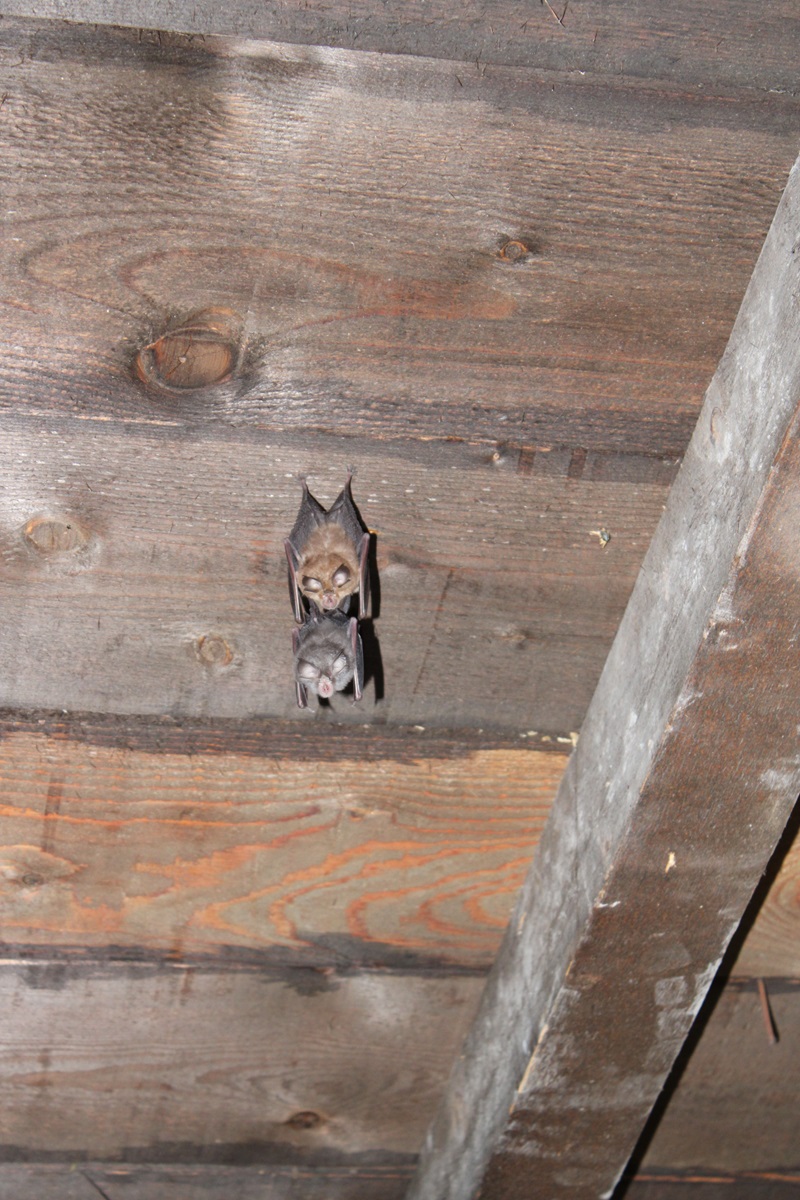
Lights, shadows, and biodiversity!
by David Bianco
In scientific literature, light pollution is referred to as Artificial Light at Night (abbreviated as ALAN) and includes various aspects (changes to the night sky characteristics and astronomical observations, disruptions to the circadian rhythm, etc.). In fact, artificial lights can have a significant impact on biodiversity.
We understand that the concept of “light pollution” impacting animals and plants might seem counterintuitive to many. After all, you might wonder, what’s the harm in illuminating woodland, a river, a castle, or a church? How could it possibly be damaging? People might find it hard to believe that well-lit roads and bridges, industrial estates lit up as if it were broad daylight, or even the simple decorative lighting in public or private parks can disrupt the natural balance of various organisms, fragmenting the habitats of birds, mammals and so on, altering their behaviour and may even lead to unnatural mortality…
SPECIAL REPORT
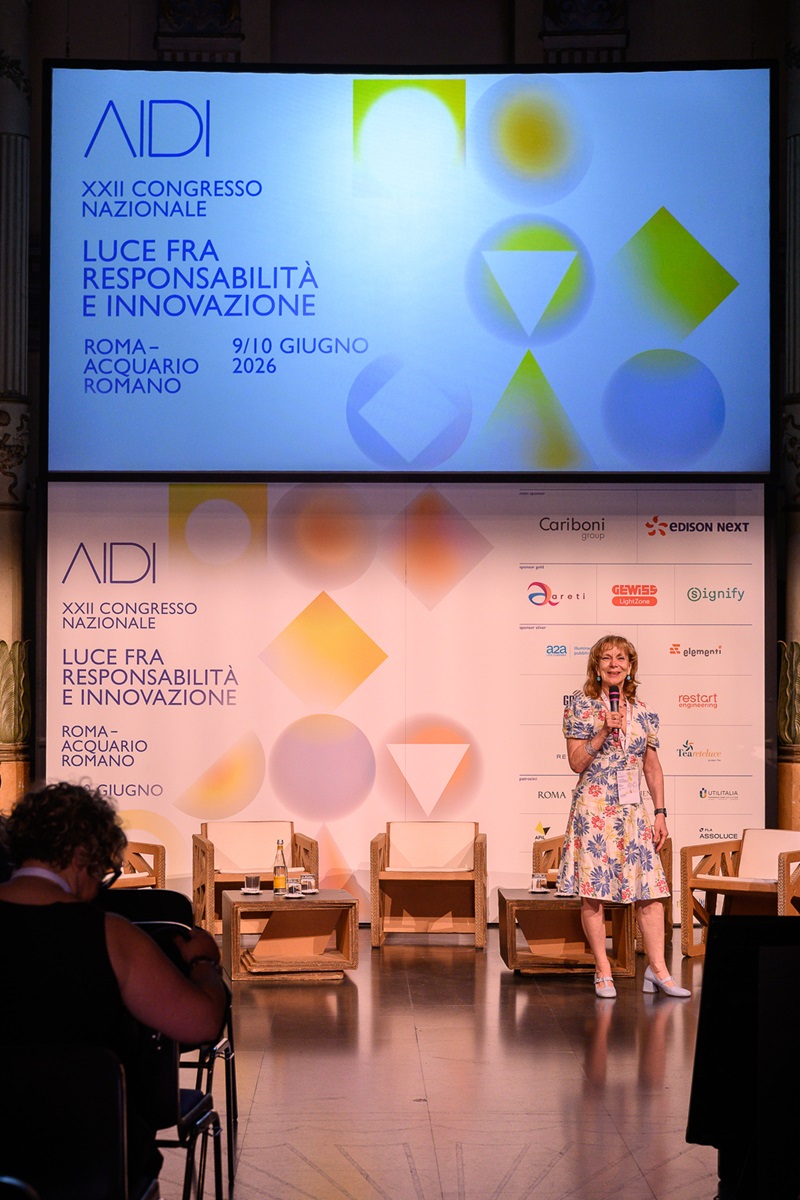
22nd AIDI NATIONAL CONGRESS
articles by Laura Bellia, Romano Benini, Fabrizio Dafano, Michele Fioroni, Pietro Jarre, Alberto Giovanni Gerli, Cristina Ferrari
Last June, the 22nd National Congress of AIDI (Italian Lighting Association) convened in Rome. Over two days, experts, professionals, and representatives from other associations explored the current role of associations, as well as the importance of innovation and social responsibility in the world of lighting. The speeches given by the invited speakers painted a stimulating and inspiring picture, putting the sector’s transformations into perspective and highlighting the role that associations can play in driving innovation without turning their backs on their history. The central importance of the human values underpinning the associative movement emerged strongly: ethics, mutual respect, intellectual honesty and expertise. Against this backdrop, there was a renewed emphasis on the need to strengthen “networking” by fostering connections between the various associations within the lighting sector to enhance their authority, influence industry policies, and elevate the cultural and social significance of light. You can’t really discuss the future without considering digitalisation. This topic was explored in an analytical way, looking at both the opportunities it offers and the responsibilities it brings: especially when it comes to streamlining processes and shaping new organisational models through digital transition and Artificial Intelligence. In this special report, we highlight some of the key contributions of the speakers.

RESEARCH AND TECHNOLOGY
Light between measurement and perception
by Alessandro Farini
Light is a captivating subject. Much of its appeal lies in its interdisciplinary nature, which demands the collaboration of diverse fields of expertise. This aspect becomes particularly evident when light is studied from a scientific perspective, as is the case at the ViOLa (Visual Optics Lab) of the Italian National Institute of Optics (INO) of the Italian National Research Council (CNR), where Alessandro Farini, the author of this article, is the head of the laboratory. The laboratory’s main area of research is the psychophysics of vision, with a special attention to applications in lighting technology, ophthalmic optics, optometry and, more generally, all those fields in which human vision plays a fundamental role.
RESEARCH AND TECHNOLOGY
Emergency lighting
The new standard ISO 30061 / CIE S 020: first steps towards global harmonisation
by Fabio Pagano – Technical Manager, Technical Department, ASSIL
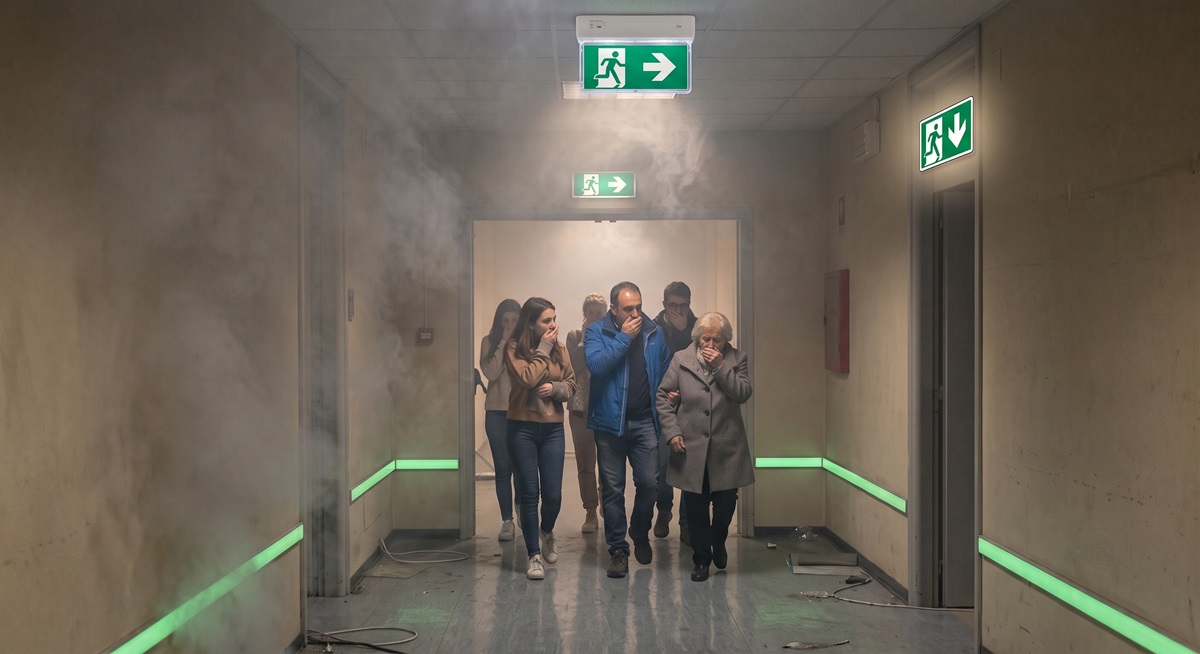
The regulatory environment surrounding emergency lighting is currently in a state of renewal. A significant milestone in this process was the Joint Advisory Group (JAG) meeting held on March 23, 2026, where ISO TC 274 and the CIE jointly outlined a strategy for the periodic review of the ISO 30061:2007 (CIE S 020/E:2007) standard. This standard is a crucial component in ensuring building safety on a global scale.
The main purpose of emergency lighting remains unchanged: providing clear and reliable visual conditions, alleviating panic and facilitating a safe evacuation during a power outage, even in smoke-filled environments caused by fire. The design standards must be based on the performance of the lighting fixtures under the worst possible conditions to ensure a sufficient safety margin: e.g. the minimum luminous output measured during the battery discharge cycle and the maximum allowable glare, considering only direct light. Reflections from surfaces should not be taken into account…
LIGHT ON THE RULES
The new requirements for lighting companies on cybersecurity
by Elena Scaroni – Secretary General of LightingEurope
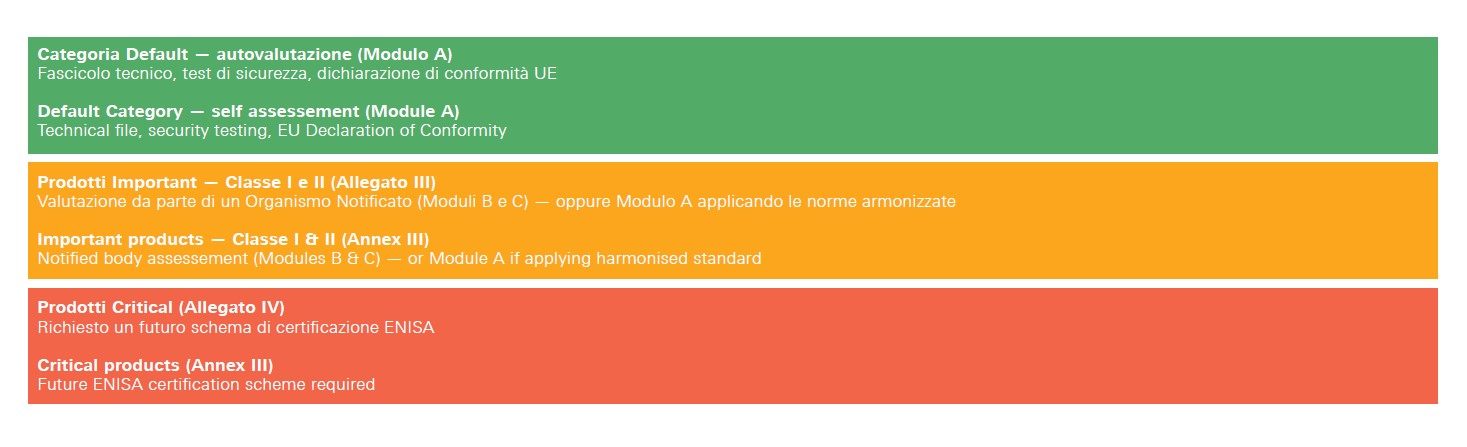
This September marks a turning point for the EU Cyber Resilience Act (CRA). From 11 September 2026, manufacturers of connected products must be ready to report actively exploited vulnerabilities and severe security incidents to the European Agency (ENISA)’s single reporting platform within 24 hours of becoming aware of them. This date is a major step in a longer timeline, with full application in December 2027…
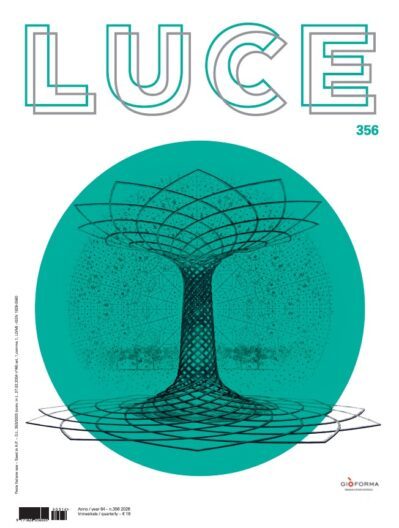
In LUCE 356 / 2026 you will find many other articles, interviews and in-depth features.
We are always on the lookout for new suggestions and ideas for understanding, explaining and publicising the world of Italian and international lighting.
Keep reading and writing to us!
The dress lights up
by Sabino Maria Frassà
Gianfranco Maraniello: “The museum comes to life through its relationship with the present day and its history”
by Jacqueline Ceresoli
Brother Renaud Escande: “Light is a language that let us discover the connection between art, space, and spirituality”
by Marco Frascarolo
Outdoor lighting projects in India
by Nancy Tollins
Shadows that shape the space
by Marco Nozza
The luminous aura in fashion
shows Light as a director of time and the gaze
by Paolo Calafiore
Shaping rhythm and fashion
A journey into Giovanni Pinna’s visual universe
by Erica Briani
When light becomes a lifestyle
The Logo Lamp by Giorgio Armani
by Monica Moro
The “soul of the yarn”
by Chiara Testoni
The growing light: Iris van Herpen’s bioluminescent dress
by Paola Testoni
Light shapes fashion
by Marta Bernasconi
Jewellery shines brightly
by Cristina Ferrari
Light between responsibility and innovation
by Laura Bellia
Lighting the way for transition
Not a transition phase, but a phase transition
by Romano Benini
Associations today: balancing alliance and freedom
by Fabrizio Dafano
Artificial Intelligence
The new infrastructure of power
by Michele Fioroni
Entrepreneurial choices in the responsible use of digital technology
by Pietro Jarre
EidolAI. The road before the construction site
by Alberto Giovanni Gerli
Innovation and responsibility
The perspectives of Cariboni Group and Edison Next
by Cristina Ferrari
Beyond the eyes: the invisible interactions of light
by Andrea Siniscalco, Piero Santoro, Mattia Toffanetti
In Minor Keys: art as a dwelling for humanity
61st Venice Art Biennale
by Alberto Pasetti Bombardella
The memory of light
Malta Pavilion at the Gwangju Biennale
by Paola Testoni
The medicine of appearance
by Sabino Maria Frassà
Light as an emotional language: aesthetics, memory, and inner life
by Alessandro Marata
When the city becomes a smart system
CitySapiens, the integrated digital platform
by Giulia Ottavia Silla
Resistance to water and extreme weather
Sovil integrates STOP WATER technology into Palace recessed lights
by Giulia Ottavia Silla
Thesis abstract.
Lighting as infrastructure supporting urban mobility
The Turin Metro Line 2 project
by the Editorial Team
GEN Z LIGHTS
by Deborah Madolini (storyboard), Alberto Philippson (drawings)