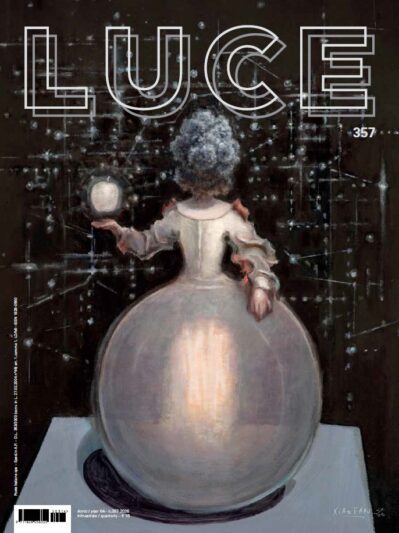
LUCE 356-en
YEAR 64
June 2026
Magazine founded in 1962 by AIDI
Editor-in-Chief Mariella Di Rao
Clicca qui per la versione in italiano
Contacts for back issues:
phone +39 02 87389237
e-mail [email protected]
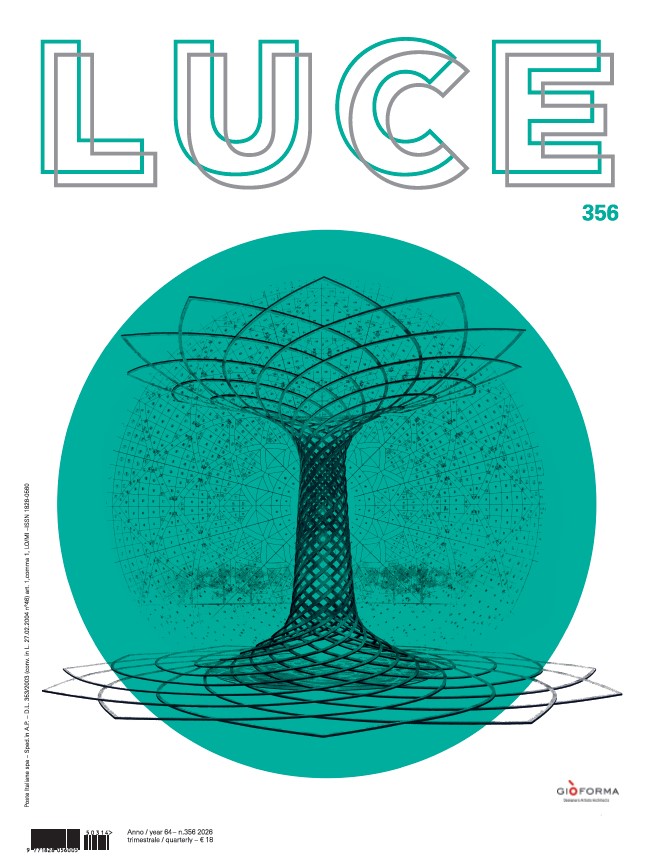
The Tree of Life, cover specially created by the design, art and architecture studio Giò Forma for LUCE.
€18,00
70 disponibili
In this issue:
EDITORIAL
The light that speaks of the soul
by Mariella Di Rao
The Tree of Life that fills the cover, designed for LUCE by Studio Giò Forma, embodies the concept of the celebrated “Tree of Life,” which was the heartbeat of the 2015 Universal Exposition. The Studio drew inspiration from Michelangelo’s famous pavement design for Piazza del Campidoglio in Rome, reinterpreting it by visually elevating and rotating it until it transforms into a trunk and canopy. This symbolic gesture unites memory and future, art and technology. This now iconic, timeless image also stands today as a symbol of resilience and renewal as it prepares for a brand new chapter. In fact, an extensive restoration and technological redevelopment project, under the direction of Balich Wonder Studio, is scheduled to be completed by the end of 2028, leading to its full reactivation. This work will ensure that light continues to serve as a language, a narrative material, and a collective experience…
INTERVIEWS
“Let light flow like water”
by Chiara Testoni
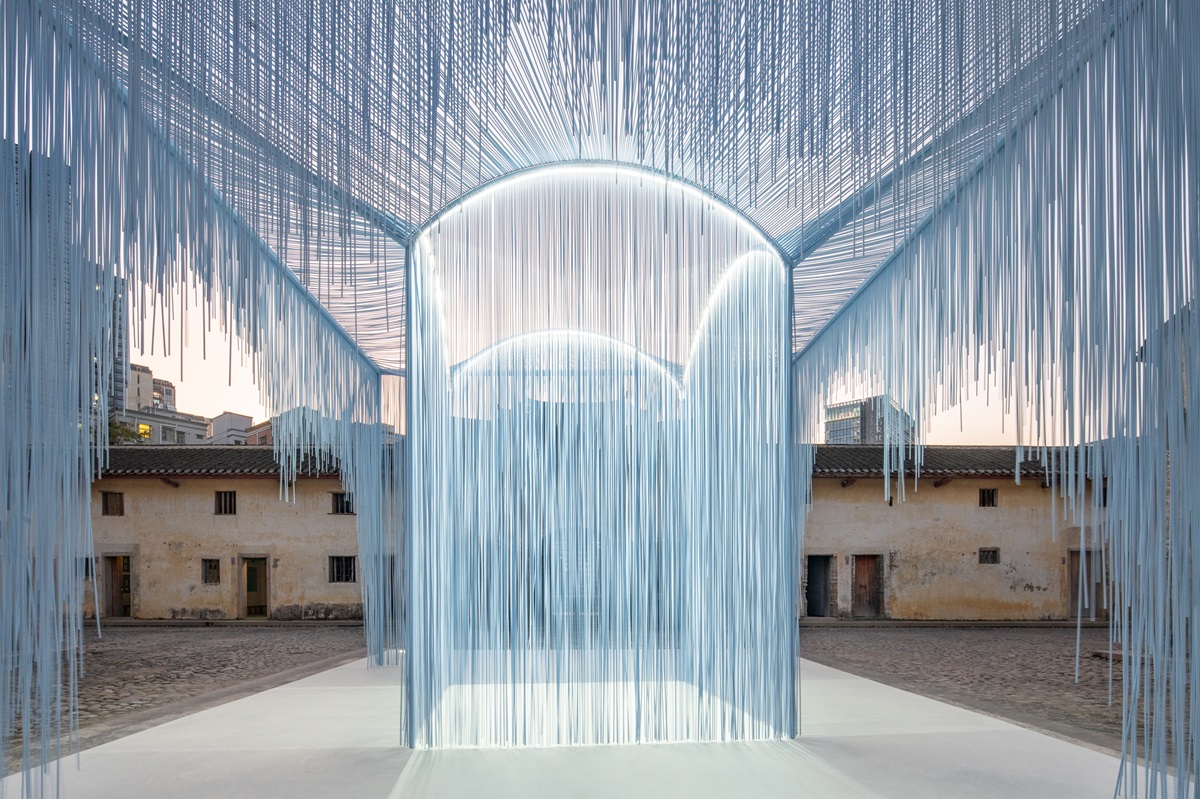
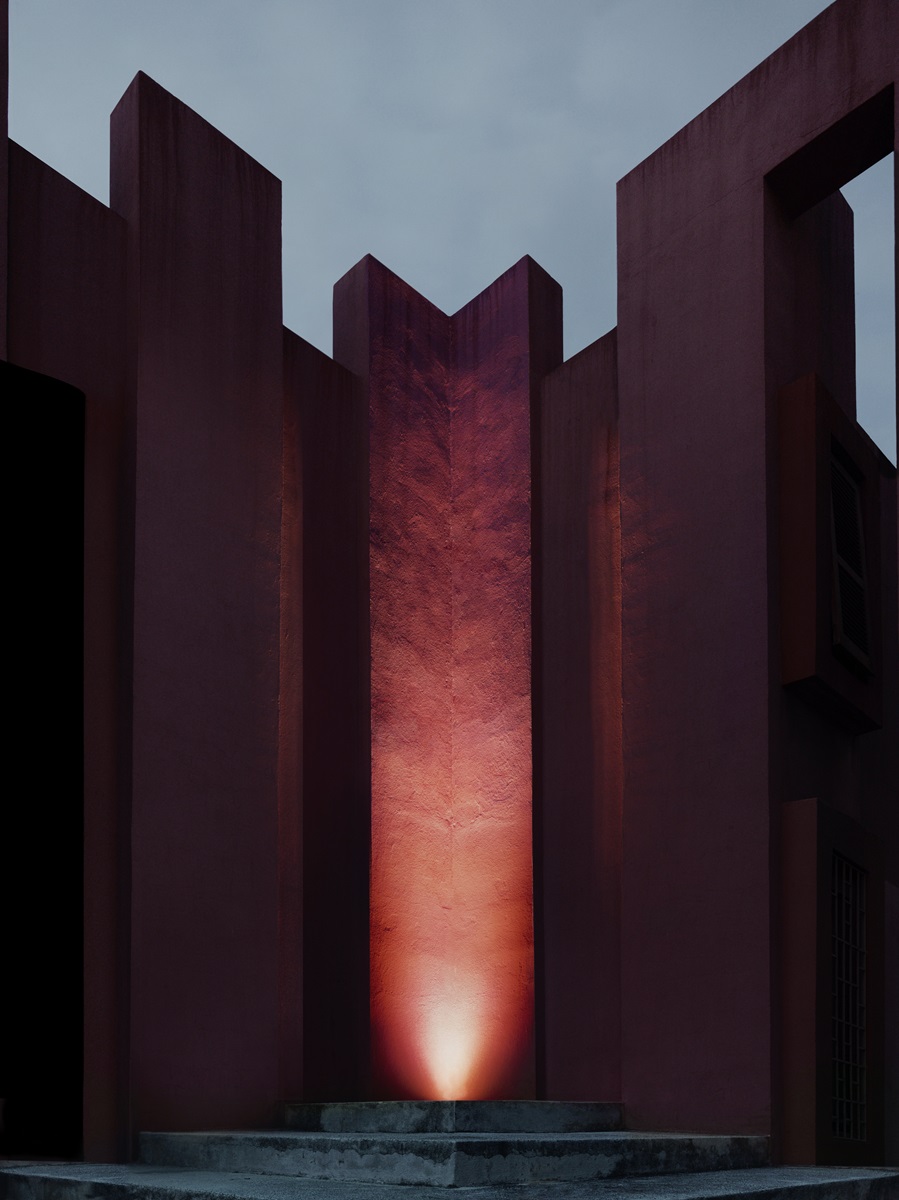
We spoke to Jenchieh Hung and Kulthida Songkittipakdee, the two architects and university professors who founded HAS design and research: a renown Thailand-based architectural firm that, through a range of projects from architecture to installations and experimental works, explores design as a tool for investigation and “chameleonic” adaptation to the environmental, cultural and social changes of our time. Jenchieh Hung and Kulthida Songkittipakdee told us about their conceptual approach and the way in which light “flows” into design, shaping physical and “emotional” spaces. In their work, they explore the connections between nature and human-made works, summarizing this relationship within the concept of “chameleon architecture,” with the aim of designing buildings that adapt to technological, environmental, and social changes. “Light is a fundamental element that determines both the functional and emotional qualities of a space. It not only illuminates and guides movement but also enriches the experience, fosters interactions and impressions. At times, it accentuates architectural features; at others, it dissolves boundaries, allowing the space to continually transform – such as in the Aluminum Grotto and Public Ground project (an urban installation in Bangkok, Thailand, Editor’s Note). For us, light is a ‘transformative’ medium capable of revealing form, texture, and materiality…”
INTERVIEWS
Piero Lissoni: “Light is an essential element to make darkness thrive”
by Monica Moro
We had the wonderful opportunity of meeting Piero Lissoni, a celebrated Italian architect and undisputed master of contemporary design, at his studio Lissoni & Partners in Milan, which he co-founded with Nicoletta Canesi in 1986. His design philosophy, which encompasses architecture, interior design and art direction, is inspired by a quest for a perfect balance between aesthetics and functionality, achieved by removing all superfluous elements to reveal the true essence of each form. His talent for working across different scales and styles highlights his incredible versatility and vision. He tells us that his goal is to interpret and convey a vision through an authentic and distinctive narrative. From this perspective, light is a fundamental element in telling that story, and wherever there is a narrative, light must be able to communicate it effectively. “When it’s necessary to reinforce the illumination coming from, for instance, a candle, you must know the strategic points where to place artificial lights to create a visual effect of the candelabra appearing to illuminate the entire room. This particular effect is actually achieved through specific techniques and careful orchestration of lighting effects. In a certain sense, our environment can be viewed as a theatrical stage; we simply need to know how to master the effects…”
INTERVIEWS
Between light and darkness: the music of Silvia Colasanti
by Cristina Tirinzoni
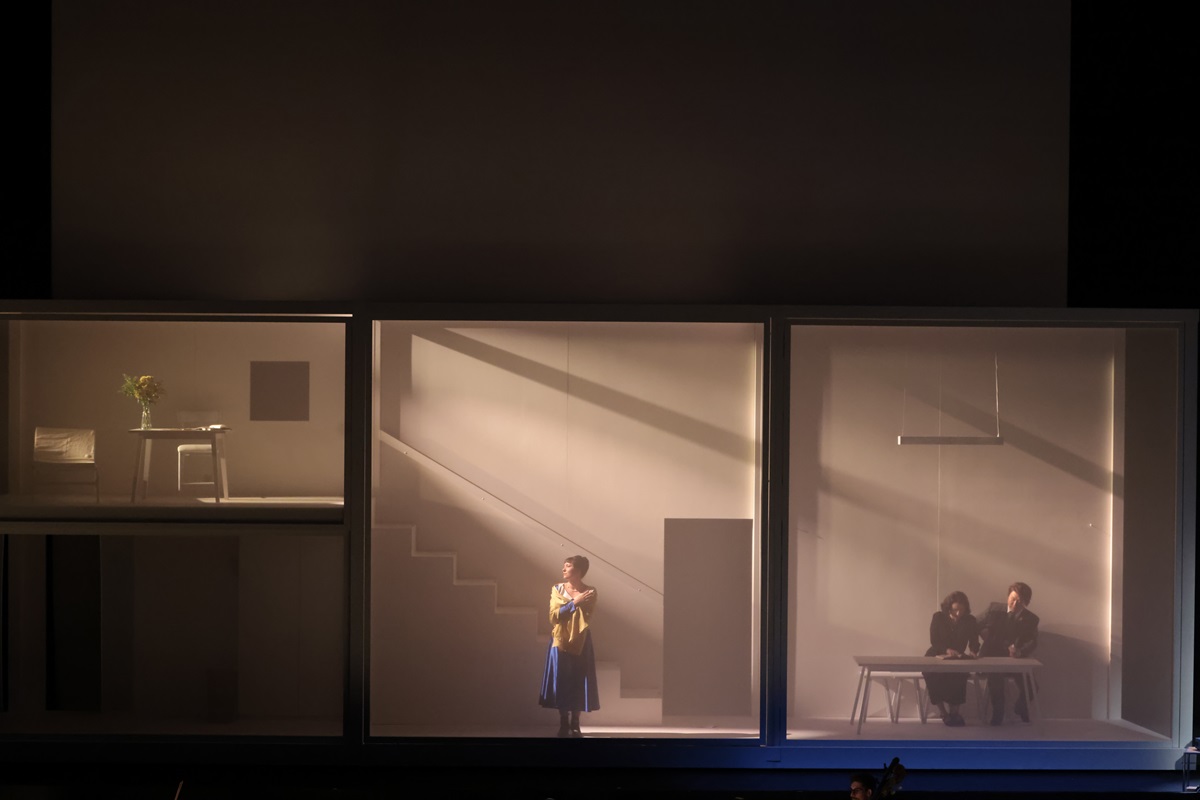
How to transform something as “visual” as light into something “audible” that can be written on staves is one of the most fascinating mysteries of music. We discussed this with composer Silvia Colasanti, one of the most well-known voices on the international music scene. Particularly active in musical theatre, as well as in symphonic and chamber music, she studied at the Santa Cecilia Conservatory in Rome, later refining her skills at the Accademia Musicale Chigiana in Siena and the Accademia Nazionale di Santa Cecilia. Silvia Colasanti, born in Rome (Italy) in 1979, under the sign of Pisces (a sign deeply connected to music), is a composer and musician who draws inspiration from literature, poetry – seen not merely as text to be set to music, but as an expressive space capable of generating sound images and musical structures – and mythology. Her broad and varied compositional repertoire is enriched by high-profile commissions and collaborations, including with the Teatro alla Scala. Anna A., her new opera, which premiered between October and December 2025 at the Teatro alla Scala, marks a historic milestone. It is the first opera commissioned by the famous Milanese theatre, one of the most prestigious in the world, from a female composer. Our cultural tradition has long viewed reality as a series of opposites, like light and darkness. Today, however, even in the arts, there’s a shift toward seeing elements as connected and interacting, rather than fighting against each other. “To think of music as the exclusive domain of either light or darkness would drastically reduce its scope, impoverishing its ability to express the full complexity of human experience. Music, in my view, is better seen as a space of coexistence, in which opposing tensions do not cancel each other out but rather support each other, generating meaning in their very intertwining…”
DESIGNING LIGHT
Illuminating the invisible
Underground light
by Alessandra Reggiani
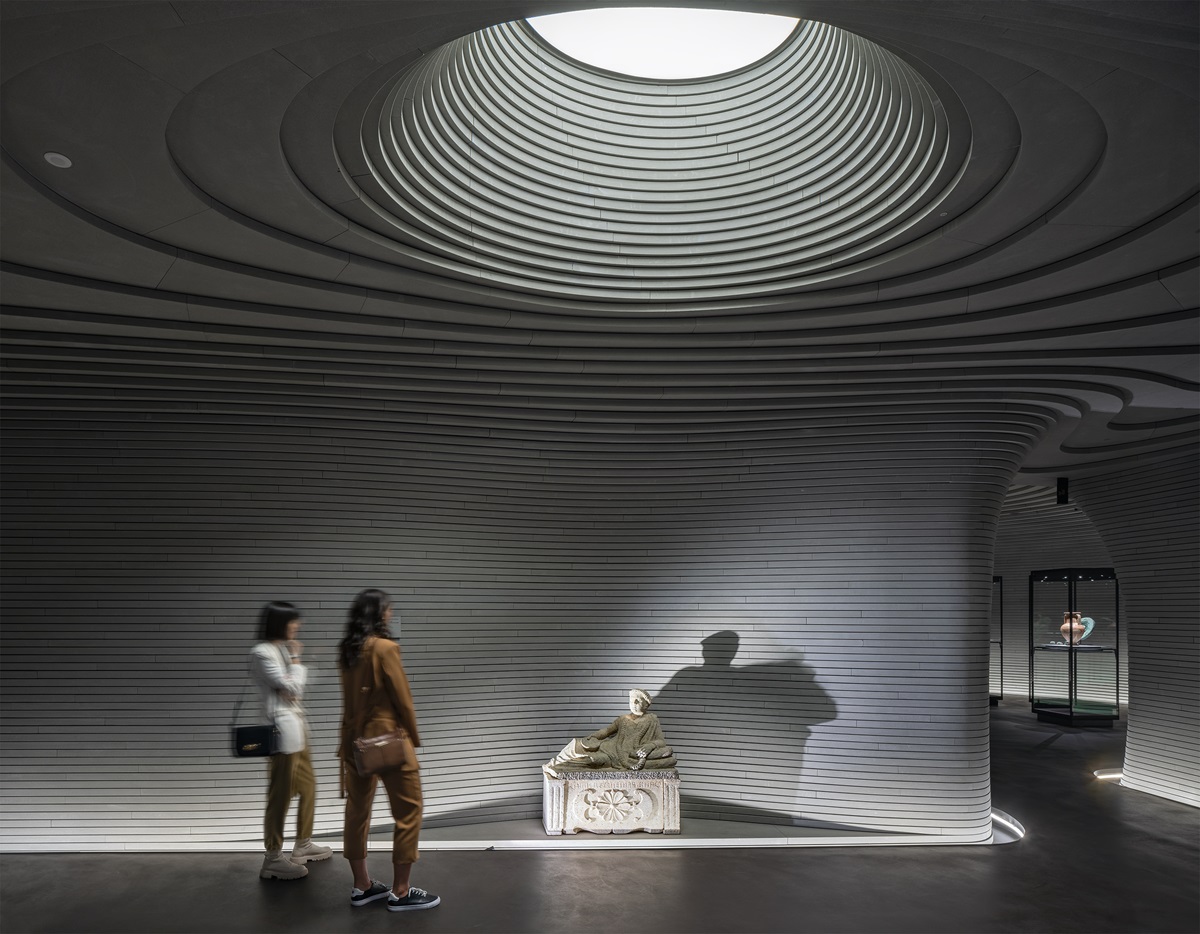
Many of our magnificent cities, which we usually enjoy in the bright, daylight hours and in the sunlight, have a hidden side – they have a dual soul that is tied to an urban extension in the realm of shadows. In fact, beneath the surface lies a whole underground world – secret chambers, subterranean environments, and millennia-old layers that tell a parallel, fascinating and surprising story of identity and history.
Underground spaces typically originate not only for urban planning reasons but also for mystical and religious purposes, dating back to the pagan world and later extending into the Christian era. These spaces often make use of natural ravines, like karst caves, or are created through mining and excavation activities. Sometimes, they are purposefully designed to serve specific functions.
Venturing into this underground world means stepping into layers of history, where echoes of different eras still resonate. The stories they hold can be ancient or more recent, depending on the specific case, but they are, in any event, inextricably linked to the city’s evolution and the history of the place and its context. Many of these spaces were originally planned as separate above-ground elements, but changes in the city’s landscape – such as alterations in elevation and structure – have covered these spaces over time, transforming them into hidden parts of the city’s identity.
This alternative dimension is entirely dependent on the presence of artificial light, which, more than ever in this case, can be literally described as “underground” light as a synthesis between an alternative, innovative, and vibrant practice, and the actual connotation of subterranean spaces…
DESIGNING LIGHT
The new Postbyen in Copenhagen: inclusive light that dialogues with the city
by Nancy Tollins
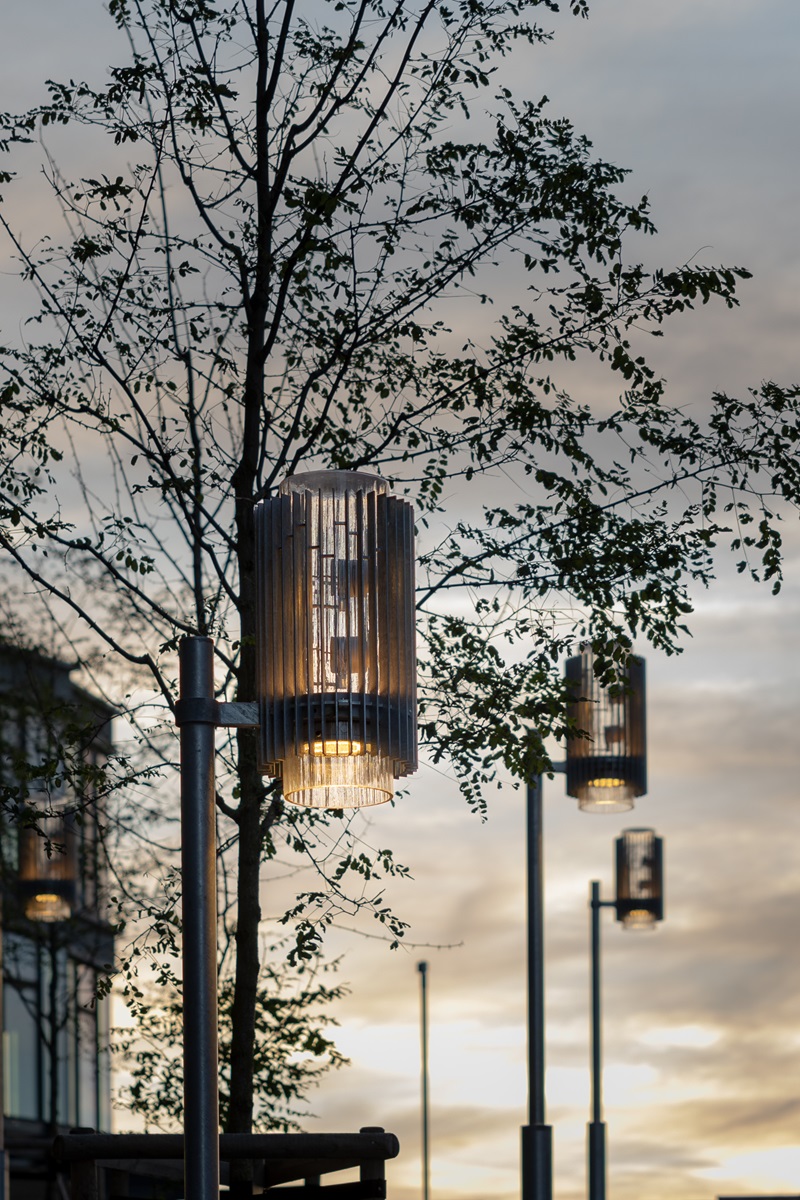
We meet Nikolaj Birkelund Pedersen from fortheloveoflight, a Danish lighting design studio responsible for the lighting design of the new Postal City – Postbyen district, designed by Lundgaard & Tranberg Arkitekter, in the centre of Copenhagen. We ask him to accompany us on a journey of discovery through the project, carried out in a country famous for its designers (including Hans Wegner, Poul Henningsen, Arne Jacobsen and Verner Panton), and where the concept of “hygge” prevails, which means knowing how to create a cosy atmosphere and enjoy the good things in life with your loved ones.
fortheloveoflight is a professional lighting design studio based in Copenhagen. It was founded on the conviction that light is not merely a technical function, but rather that “something” that shapes how we perceive atmosphere, space, and even the connections we establish with a place. Their work explores how light influences perception, emotion, and a sense of belonging. For them, light is a material in its own right. Each project begins with an analysis of the context, the architecture, and, most importantly, involves the people who will use the space, as well as the natural environment surrounding it. The goal is to create lighting that supports relationships and subtly enhances the way we feel and move within a space. “We became involved quite early in the process, before the masterplan had been completed. Rather than beginning with drawings or diagrams, as you normally do, we decided to invite the architects, the client, and key collaborators on a series of night-time bike rides with us around Copenhagen. We visited public spaces, squares, parks – some inspiring, others more uniform or uninviting. These bike-rides became our shared research method, they allowed us to experience light together, not just talk about it. It was thanks to this that we were able to develop a common language around light – in terms of glare, contrast, colour temperature and atmosphere…”
DESIGNING LIGHT
Maybe Happy Ending
The catharsis of electronic scenography
by Paolo Calafiore
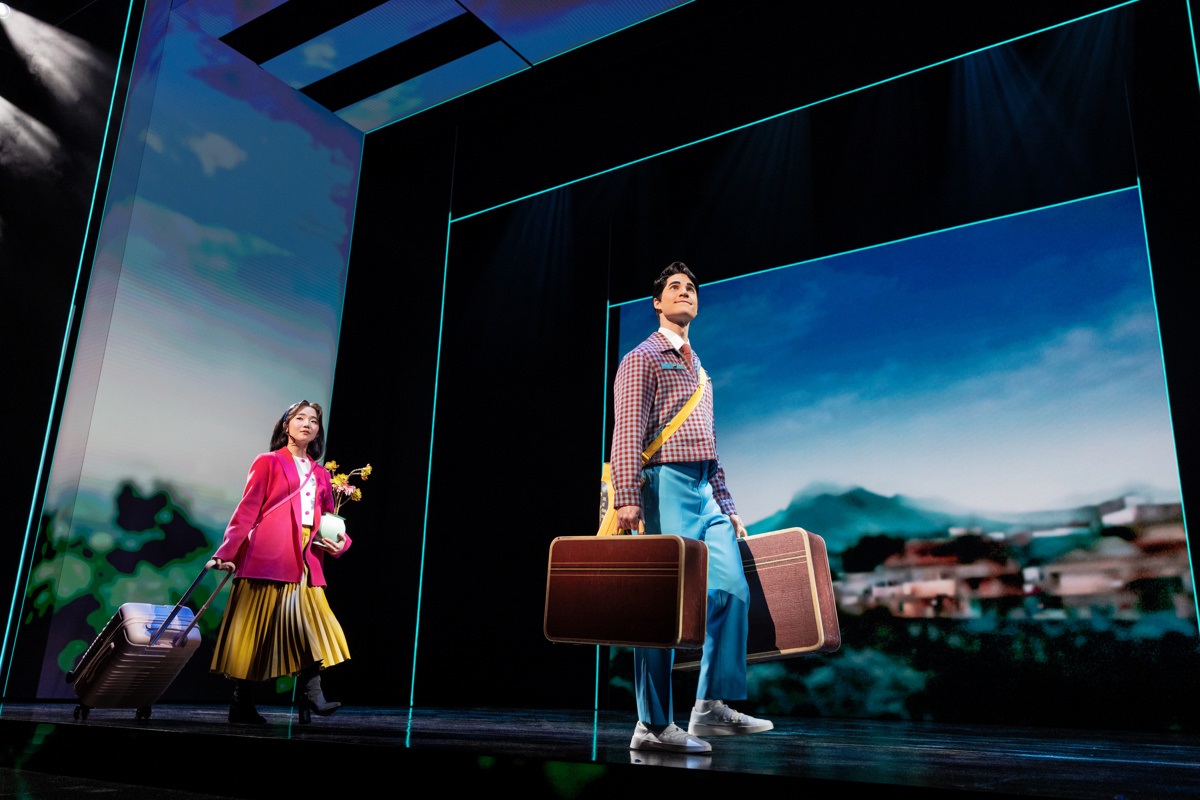
The moment when the curtain rises – as darkness falls in the theatre – is always one of the most eagerly awaited and awe-inspiring parts of the show. Those fleeting moments of darkness before the show begins are like a countdown to a new adventure: an escape into imagined stories that are brought to life right before our eyes on the extraordinary time and space machine called the stage. It is even more thrilling when the production we are about to witness takes place on a Broadway stage. Hailing all the way from South Korea, Maybe Happy Ending is an incredible musical that is taking the world by storm. It is a shining example of the “Hallyu” phenomenon, better known as the “Korean Wave”: and as soon as the curtain rises, the audience, taken aback, is faced not with the classic, glittering set of a musical, but with something more akin to a contemporary art museum installation. On the stage they see two small, bright, geometric micro-environments floating in the darkness of the stage, outlined by thin lines of light and enveloped by hundreds of LED panels waiting to become visions of cities, skies, and nature: emotions evoked by places that resurface from memory. The Broadway version takes a different approach from the original one: since Seoul is the setting of the story, it needs to be fully brought to life on stage with all its visual and cultural richness. Seoul’s clash of ancient and ultramodern, with its neon-lit streets, LEDs and quiet neighbourhood alleys, gives the story a unique, authentic feel rather than a generic one. This specific vibe is what scenic designer Dane Laffrey and lighting designer Ben Stanton sought to capture with their visual storytelling. The two rooms – Oliver’s and Claire’s – are the silent stars of the scene’s design. The interiors of the Helperbot Yards (the residences for retired Helperbots, such as Oliver and Claire themselves, Editor’s Note) is imagined by Dane Laffrey featuring vivid ambient lighting (designed by Ben Stanton), surrounded by darkness. Sliding panels equipped with LED lines both separate and reveal the main characters’ rooms, either side by side or in motion, like a split-screen effect, with coordinated colouring. Claire’s belongings are pink and lavender, with saturated lighting effects. Oliver’s furnishings are mostly neutral, influenced by his owner, with blue luminous effects…
LIGHTING DESIGNERS
Paula Serna A. Vanegas: “Light is felt in the heart”
by Marco Nozza
We met Paula Serna A. Vanegas, Colombian architect and lighting designer, founder of Estudio Dedós in Medellín.
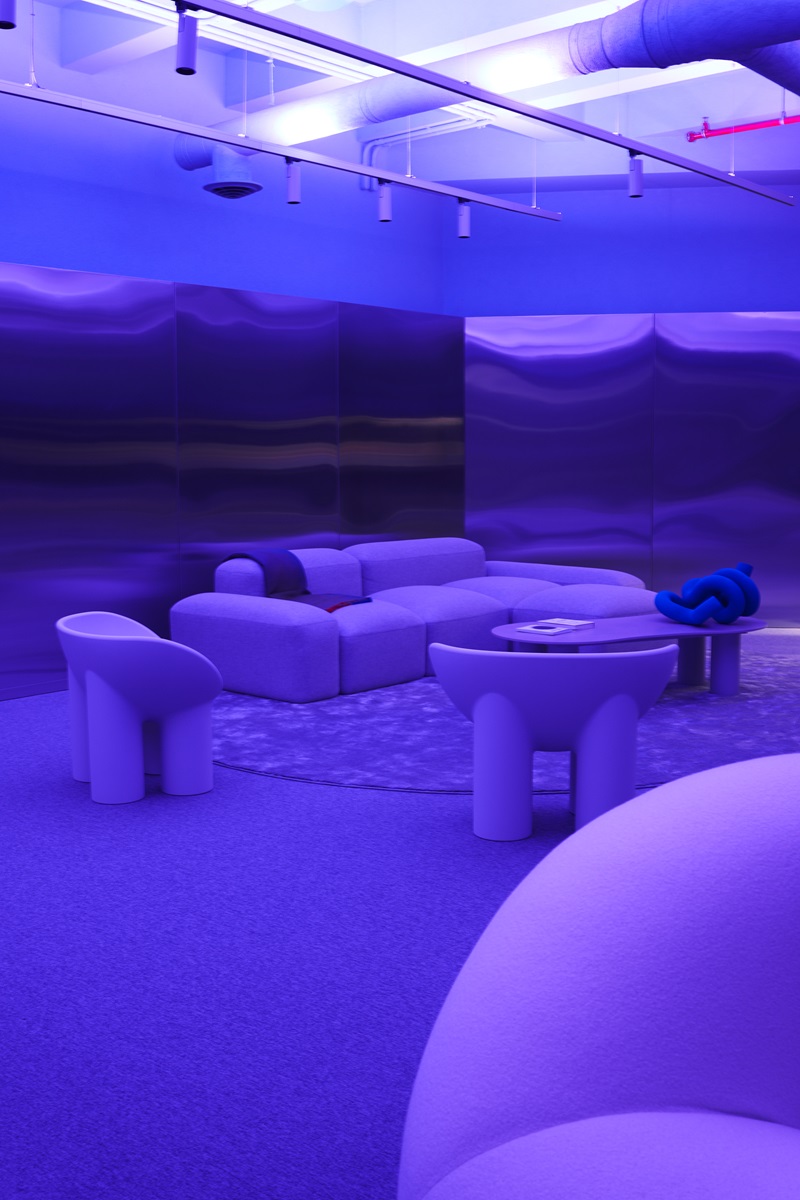
In this interview the lighting designer, who has moved from the technical orthodoxy of the academic world to a design practice that embraces lighting design, shadow design, and light art viewed as inseparable disciplines, tell us about her vision of lighting design, which straddles the line between technique and poetry, and the deep belief guiding her work: “Light is measured in lumens, but felt in the heart.” This is a vision born from observation, experience, and a touch of rebellion against the traditional, utilitarian approach to illumination, and one that often seeks to eliminate darkness by flooding every corner with light. It is also shaped by the awareness that shadows are not a problem to be solved, but an extraordinary opportunity for design. Shadows define depth, contrast, and atmosphere; they are the pauses between notes that create the melody. When everything is lit uniformly, space becomes flat and visually exhausting. In this interview, the designer discusses circadian rhythms in schools, shadows as a design element, and international awards she has received, as well as how a challenging city like Medellín taught her that light brings dignity. “Clients never walk into a room and say, ‘I love the 500 lux on this table.’ What they will say is, ‘I feel so at peace here,’ or ‘this space feels magical.’ I realised that while technical precision is the foundation of our profession, its ultimate goal is purely emotional. That’s where my belief comes from: light can and must be quantified by the designer, but it’s the user who will feel its true impact...”
SPECIAL REPORT
Light and innovation
articles by Marco Frascarolo, Chiara Testoni, Gaia Fiertler, Mariella Di Rao
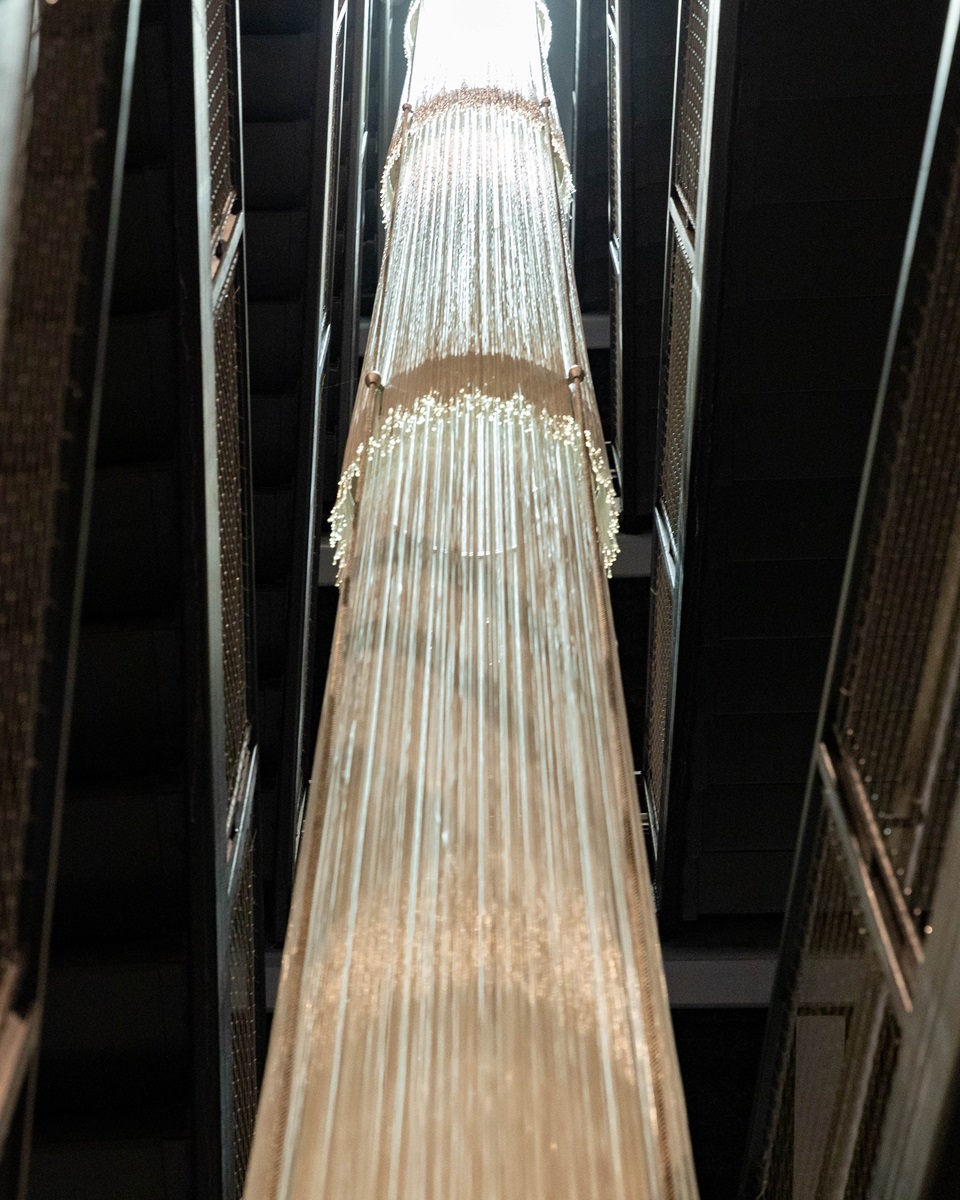
The theme of this issue’s Special Report is “Light and Innovation.” What does it mean to drive innovation in our industry? How is the adoption of new digital tools transforming professional practices? What are the most effective business strategies to stay ahead? We address these questions through an introductory article by designer Marco Frascarolo, focusing on the history of lighting innovation, complemented by interviews and significant case studies.
RESEARCH AND TECHNOLOGY
Plugless light
A practical handbook of luminescence
by Matteo Seraceni
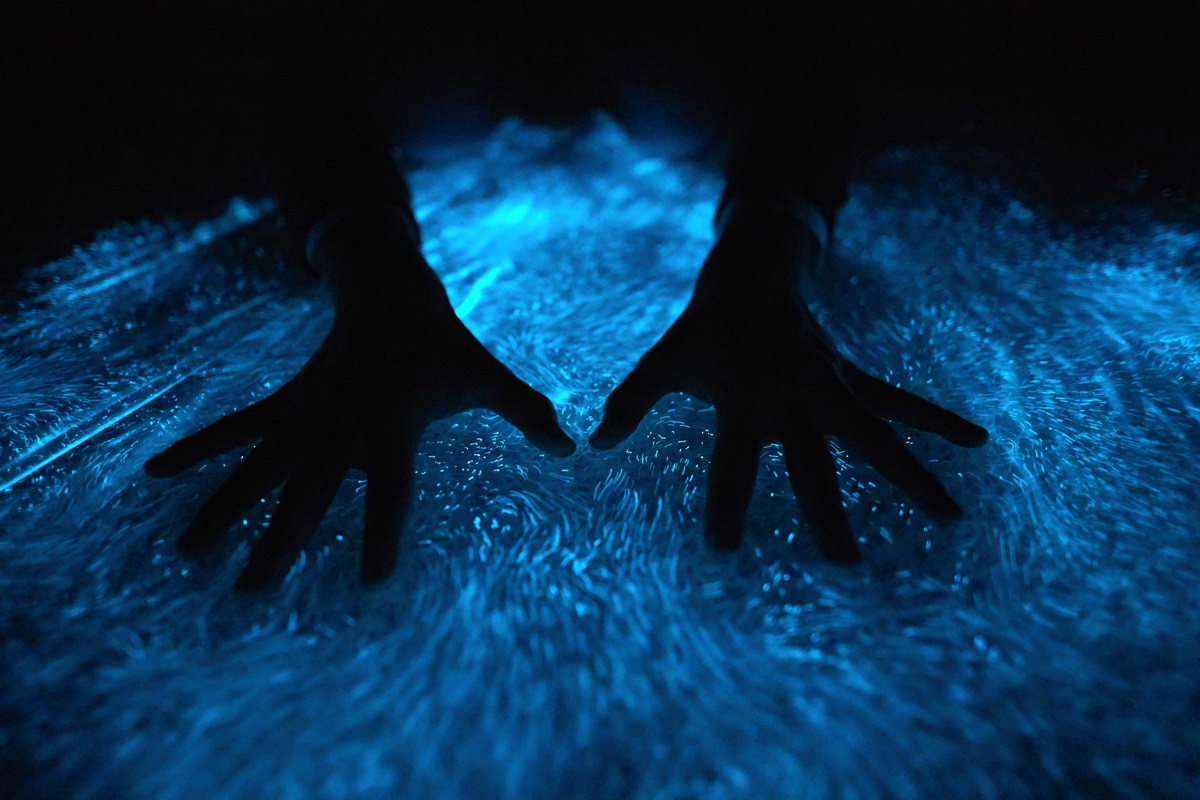
Suppose there is a light that requires no electricity and emits no heat, and, in some instances, it even comes from living organisms. It might sound like a science fiction thing, yet it is actually real. This phenomenon, known as luminescence, is a physical process that transforms energy stored through atomic and molecular excitation into visible light. The three most promising types for the future of lighting are chemiluminescence, bioluminescence, and photoluminescence.
The first type is produced by a chemical reaction, such as when Luminol – in use by the police – comes into contact with bloodstains. The second type is light produced by living beings, such as bacteria, algae, or the well known fireflies. The third one is the classic type of light that “recharges” during the day to then be able to shine in the dark, like the little glow-in-the-dark stars you use to stick to the ceiling of children’s bedrooms…
ASSOCIATIONS
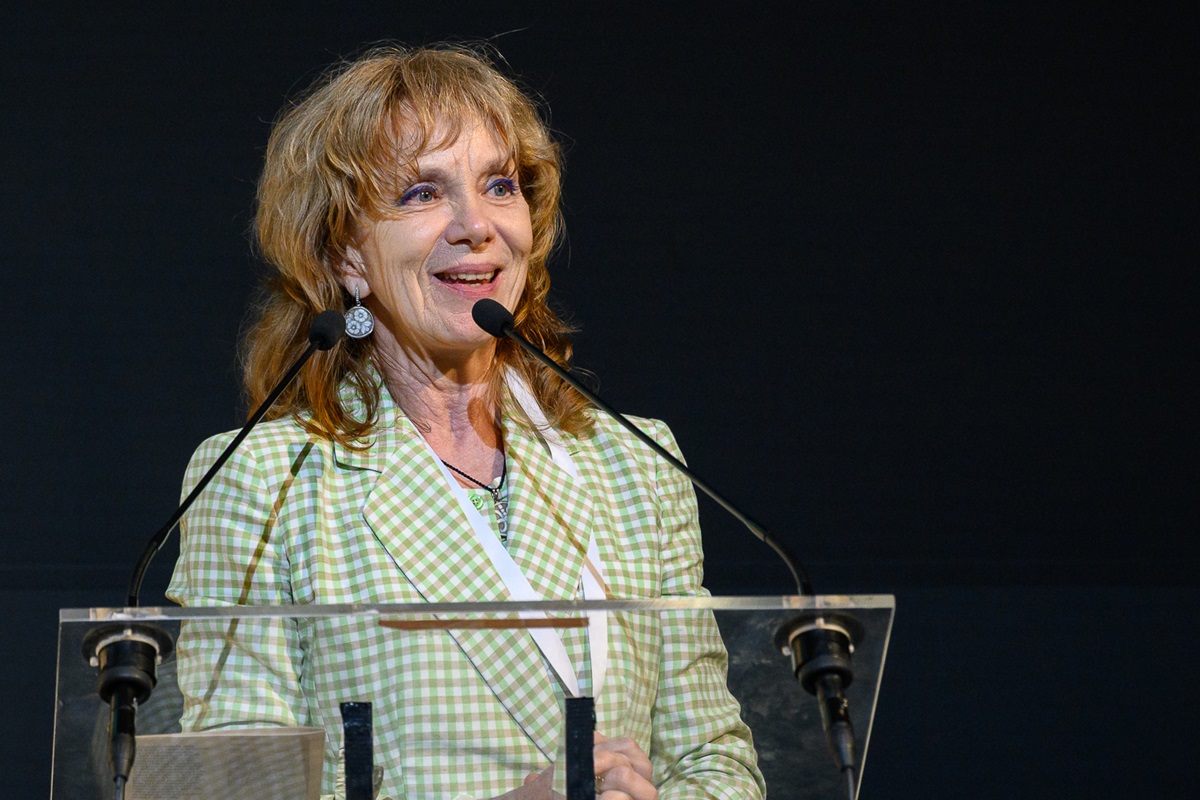
AIDI: the role of the Association for the culture of light
by Matteo Seraceni
Over the past few years, AIDI – the Italian Lighting Association – has been committed to restore the central role of light in public discourse, not seen as a merely technical matter but as a vital infrastructure that is essential for well-being, sustainability, and safety. Through its engagement with institutions, Associations, and the market, the Association has positioned itself as an authoritative mediator, advocating for the value of lighting design and a vision capable of integrating innovation, expertise, and attention to the context. In this article, Matteo Seraceni, the Association’s technical-scientific responsible, shares insights into the various initiatives undertaken in recent years to promote the culture of light within regulatory and institutional frameworks.
LIGHT ART
Luca Pannoli: “I always listen to the place and its stories”
by Jacqueline Ceresoli
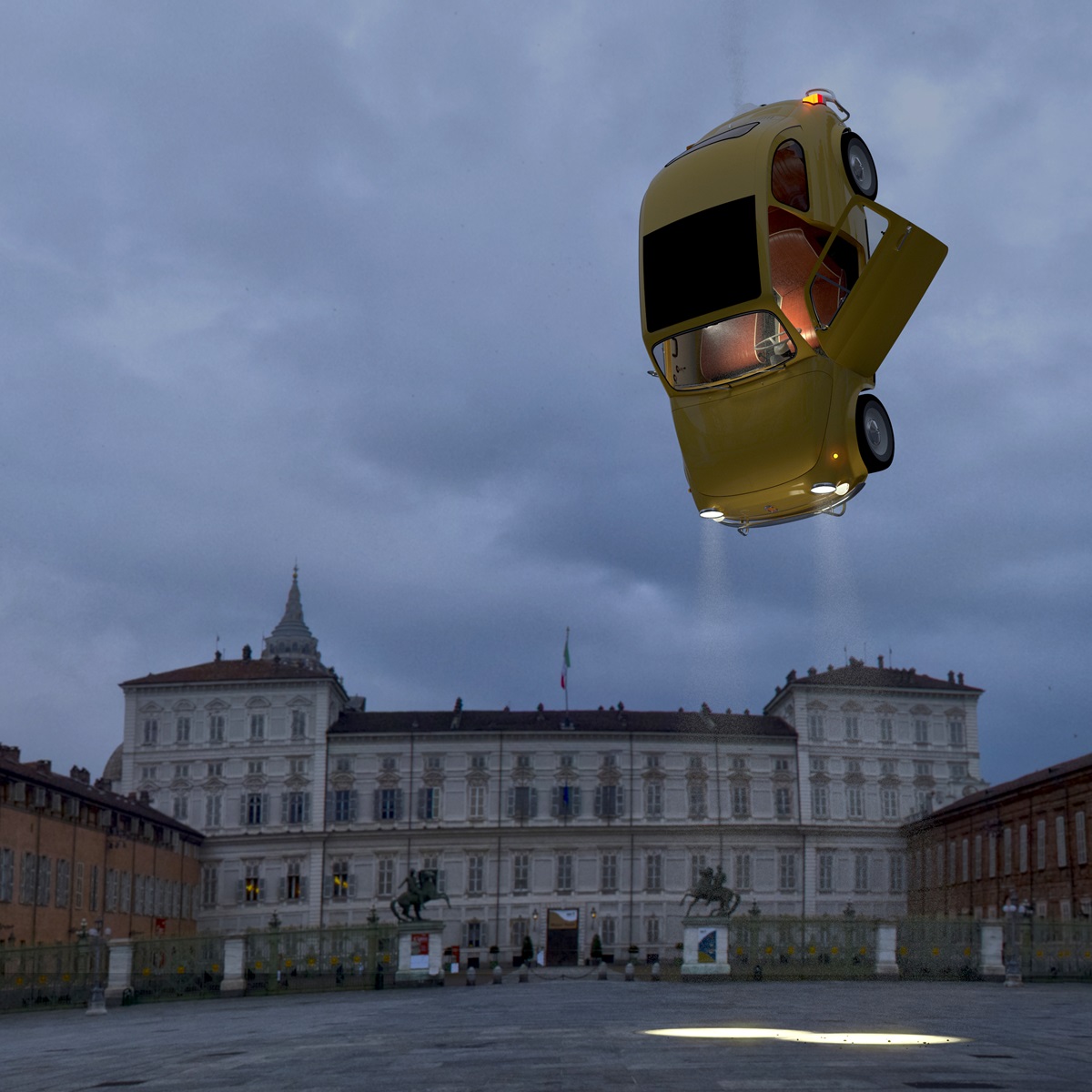
We met Luca Pannoli, an architect, designer and artist. In 1998, he founded ONDESIGN, a multidisciplinary design and research studio specialising in architecture, design, communication and the visual arts.
With a lifelong fascination for public space as a field for artistic exploration and experimentation, he is an expert in 3D computer graphics and the creator of dozens of light installations in public spaces across cities in Italy and abroad. He tells us about his interdisciplinary approach to Light Art, which combines the rigour of design with creativity drawn from digital culture, design, cinema, poetry, and aims to investigate the complexity of contemporary multimedia languages in public art. His encounter with light began in 1998 with the Luci d’Artista exhibition in Turin. As a young architect, he chose to embrace a language already deeply rooted in urban imagery – that of city signs – and to decontextualise these symbols, imbuing them with new meanings. His projects almost always stem from a profound listening to the place – not only in its physical form but also on an anthropological level: the stories, tensions, and desires of those who inhabit it. “Listening. Understanding the place, its soul, and the people who inhabit it. Analysis. Deciphering data and connecting the dots to uncover hidden patterns and invisible connections. Creativity. Formulating hypotheses and embracing the chaos that generates short circuits of meaning. As Nietzsche wrote, ‘One must have chaos within oneself to be able to give birth to a dancing star,’ and I seek that star. Ideation. Synthesis, or the final act in which the idea gives form to the work. Responsibility: awareness of the social impact of the work in the public space…”
LIGHT ON THE RULES
Pre-emption uncertainty: what future awaits open competition in project financing?
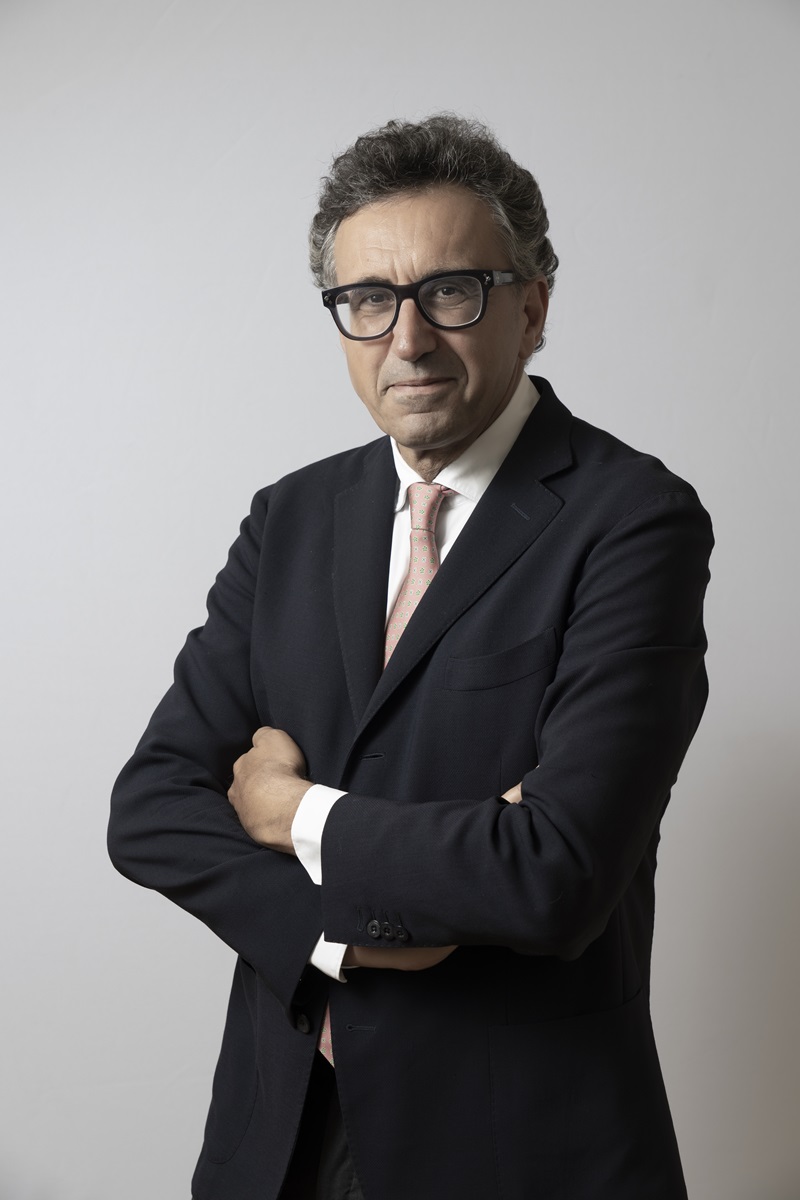
by Alberto Scalchi
We have once again met with Attorney Paolo Sansone, founder of the eponymous law firm based in Milan, and an expert in administrative law. In this third interview, he discusses the Italian regulation of project financing, with a particular focus on the right of pre-emption in tender procedures. It is well known that the European Court of Justice’s ruling (Case C-810/24) issued on February 5, 2026, declared Italy’s rules on project financing incompatible with Union law, specifically regarding the right of pre-emption granted to the project promoter. The Court’s reasoning centers on the fact that the right of pre-emption can undermine equal treatment among economic operators, as it allows the promoter to modify an already submitted bid. This conflicts with the principles of free competition and freedom of establishment. This ruling by the ECJ opens up several possible scenarios concerning ongoing procurement procedures…
In LUCE 356 / 2026 you will find many other articles, interviews and in-depth features.
We are always on the lookout for new suggestions and ideas for understanding, explaining and publicising the world of Italian and international lighting.
Keep reading and writing to us!
The Tree of Life, a timeless image
by Giò Forma
Marcel Wanders, the Poet of Light
by Cristina Rivadossi
Enrico Bagnoli in Dialogue with light
by Erica Briani
Between East and West: the poetic design of Umut Yamac
by Federica Capoduri
Light as a contemplative journey
by Nancy Tollins
Dialoguing with ligh
by Marco Nozza
Light and innovation: an ever-evolving process
by Marco Frascarolo
Light and design: innovation is “hybridisation”
by Chiara Testoni
Between technology and innovative materials
Two success stories
by Gaia Fiertler
Integration, sharing and connectivity
by Mariella Di Rao
The path of value
Designed light, between art and historic cultural heritage
by Alberto Pasetti Bombardella
Light up and sanitise rooms with just one LED
The Biovitae® technology
by Gaia Fiertler
Light + Building: challenges and
plans for the future
by Monica Moro
The power of light
Backlighting natural materials
by Marta Bernasconi
The edge of light by David Spriggs
by Sabino Maria Frassà
LightingEurope’s 2025 Online Mystery Shopper Exercise
There are still high numbers of non-compliant products sold online
by Elena Scaroni
Light, Visible Time
by Alessandro Marata
Technology and craftsmanship combined in a sculptural design
The Boltons table lamp by Artemide
by Cristina Ferrari
Connectivity and versatility
GDS Lighting’s Ision system for advanced urban lighting
by Cristina Ferrari
Thesis abstract. “Gesture & light”: the Compasso table lamp
by the Editorial Team
GEN Z LIGHTS
di Deborah Madolini (storyboard), Alberto Philippson (drawings)